The Port Said National Folk Arts Troupe
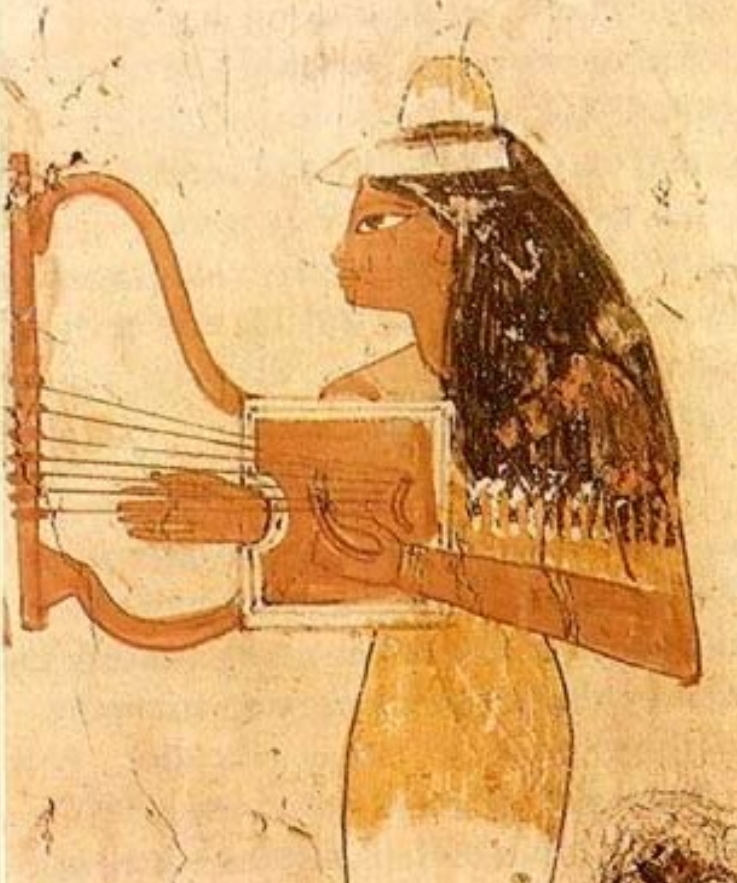
The Port Said National Folk Arts Troupe is considered one of the most important folk art groups in Egypt because it successfully conveyed the spirit of the coastal city of Port Said with all its details: the sea, fishermen, bamboutiya traders, the simsimiyya instrument, and the life of the Canal people. The troupe has a […]
Luxor Folk Arts Troupe
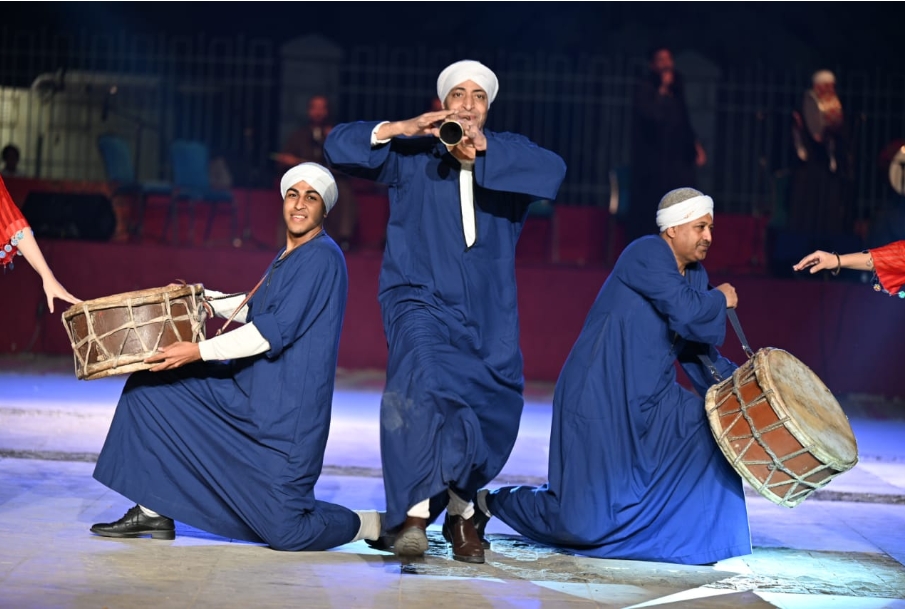
The Luxor Folk Arts Troupe is one of the troupes affiliated with the General Authority for Cultural Palaces. The troupe’s performances feature folk music and dance that reflect the cultural heritage of Luxor Governorate. Its musical instruments include the mizmar baladi, the rababa and the tambourine. Its founder is the artist Ahmed Abdel Razeq, a […]
Folk Art
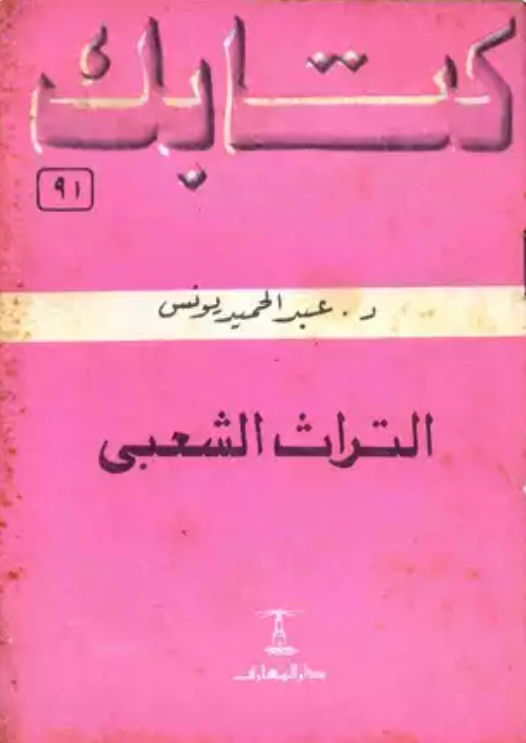
Social, anthropological, and psychological studies differ in their definitions of folklore Dr. Abdul Rahim Younis, in his book *“Folklore”*, defines it as the cultural fabric embedded in the people—that is, it consists of cultural elements created by the people or influenced by another group. These elements are constantly evolving; they lie dormant, change, become established, and foster […]
The National Folk Art Troupe
The National Folk Arts Troupe Established in 1960 by a decree from the Minister of Culture, Dr. Tharwat Okasha, the troupe initially appeared to be a substitute for the Rida Troupe in terms of state patronage, but it was soon fully absorbed into the state apparatus in 1961. The National Folk Arts Troupe sought the assistance of a group of folk […]
Reda Troupe
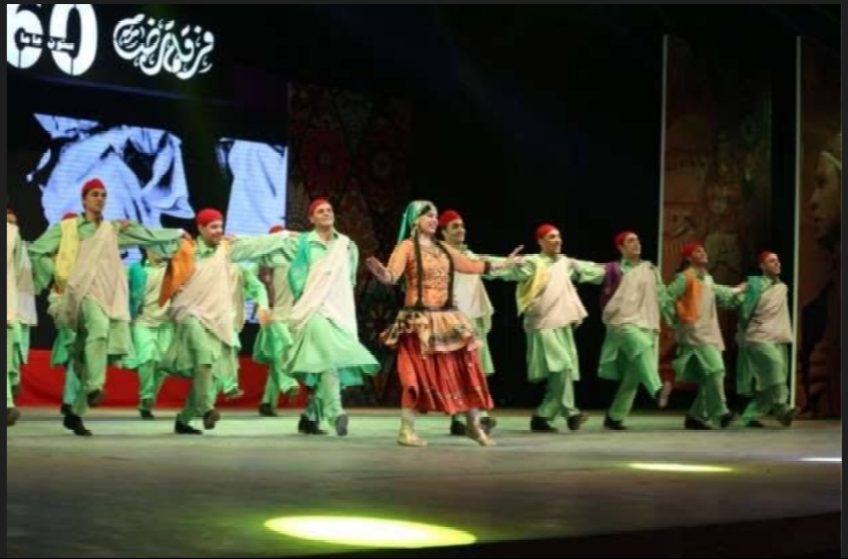
The Rida Troupe Project and the Reinterpretation of Folk Movement Art: While European and Latin American troupes had been performing on stage since the early 20th century, it became clear that Egypt possessed a vast, unorganized artistic resource: forms of agricultural and woodcutting movement art, the daily movements of fishermen and farmers, work songs, and celebratory rituals. In the […]
Forms of Folk Art
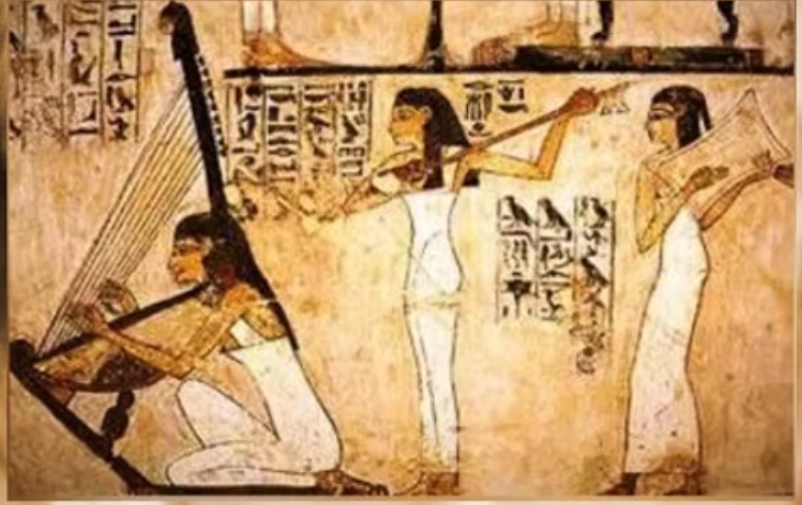
Forms of Folk Ar Handicrafts: such as pottery, weaving, embroidery, and hand-woven carpets. Handicrafts are considered one of the most important forms of folk art, as they highlight the skills and abilities of artisans. Music and Dance: Folk music expresses people’s daily emotions and feelings, while folk dance is an innate response to the emotions […]
Basque Country
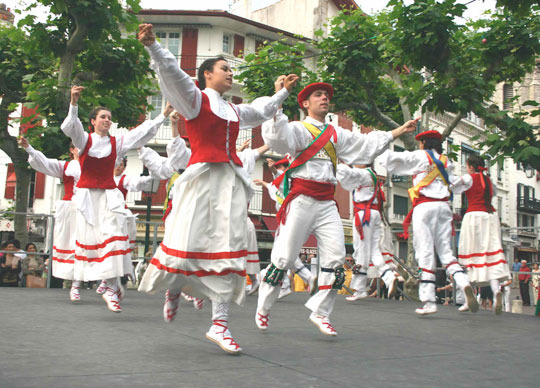
Basque Country The most notable dance of the Basque Country is the aurresku: The aurresku is a traditional dance of the Basque Country from the 18th and 19th centuries and one of the most important symbols of Basque culture. It originated from the ancient soka dantza, group dances in which participants formed a chain, although over time it evolved into a solemn solo […]
Navarre
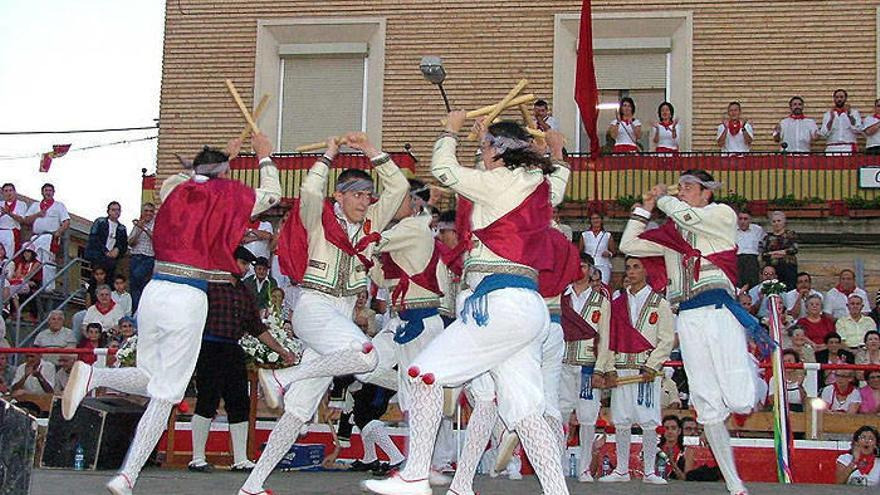
Navarre The most notable dance in Navarre is the Paloteado de Navarra: The Paloteado is a traditional dance that combines dance, theater, and music, and is typically performed during patron saint festivals in various towns across Navarre. Its origins date back to the Middle Ages, between the 17th and 18th centuries, and are linked to ancient religious and folk celebrations. Over time, […]
Murcia
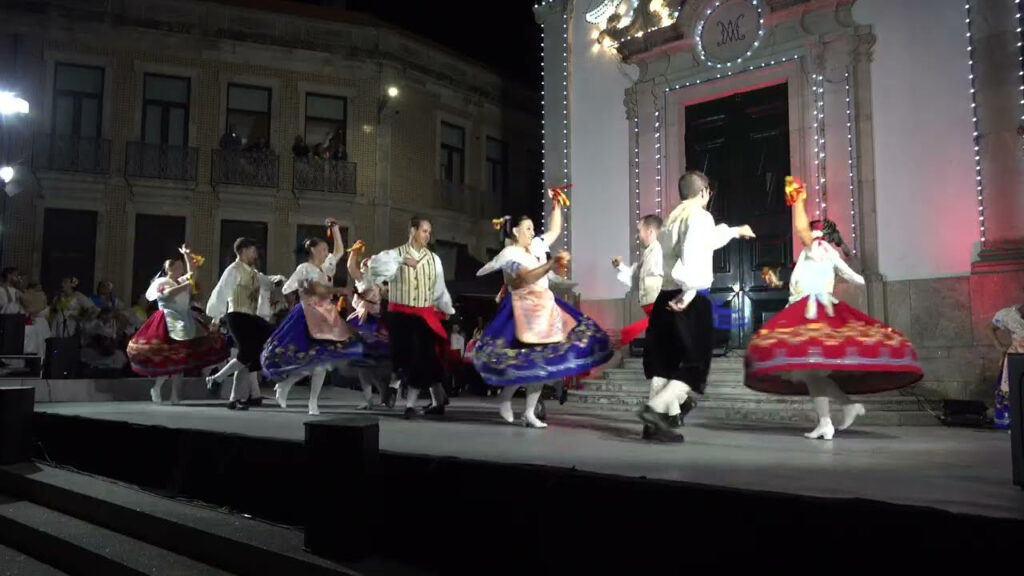
Murcia The most notable dance in Murcia is La parranda: La parranda is a traditional dance from Murcia and its surrounding countryside, considered one of the region’s cultural symbols. Although it was very popular in the 19th century, today it is primarily performed as a show dance. Its origins are unclear, but it is associated with folk festivals and […]
Madrid
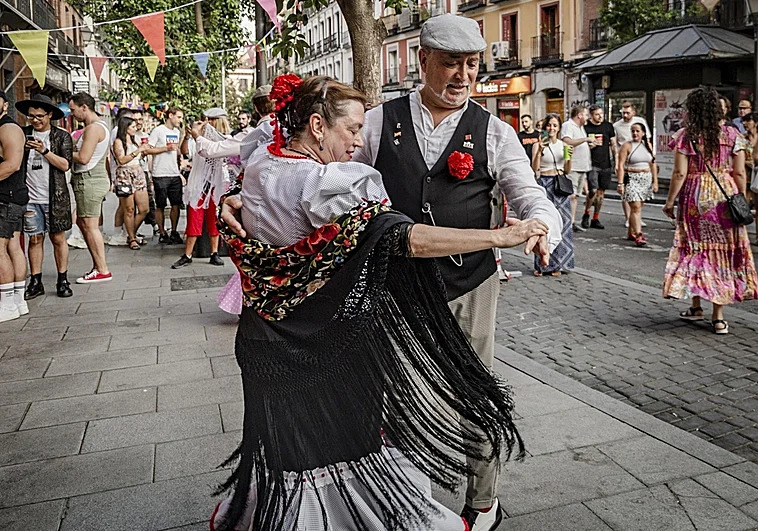
Madrid The most notable dance in Madrid is the chotis: The chotis is a traditional dance that is highly representative of Madrid, especially during popular festivals such as San Isidro. Although today it is closely associated with Madrid’s culture, its origins are not Spanish; rather, it comes from Central Europe, specifically Bohemia, and arrived in Spain in the 19th century, where it […]