
La Rioja
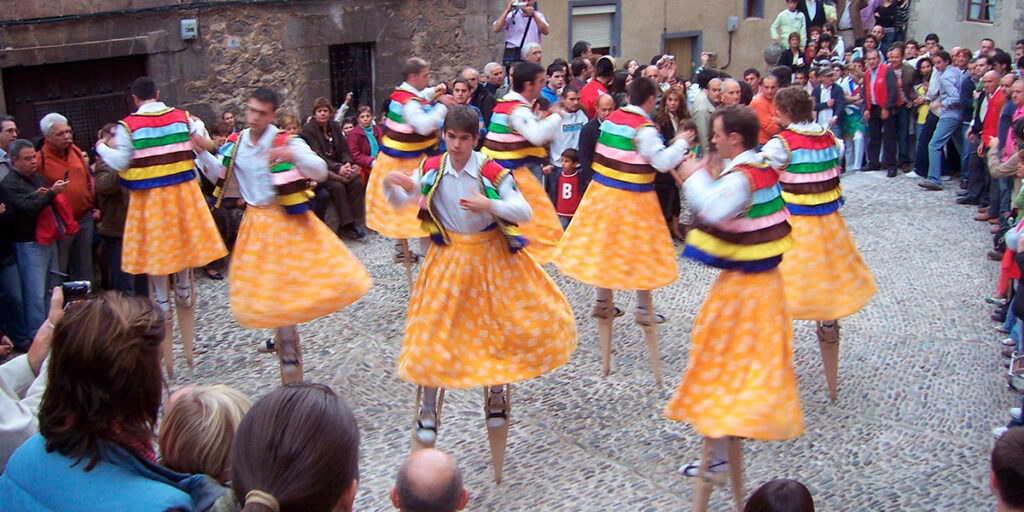
La Rioja The most notable dance in La Rioja is the Dance of the Stilt Walkers: The Dance of the Stilt Walkers is a festive tradition from Anguiano in La Rioja dating back to the 17th and 18th centuries, and it remains alive to this day, having been documented since 1603. Its origin is uncertain, but it is associated […]
Galicia
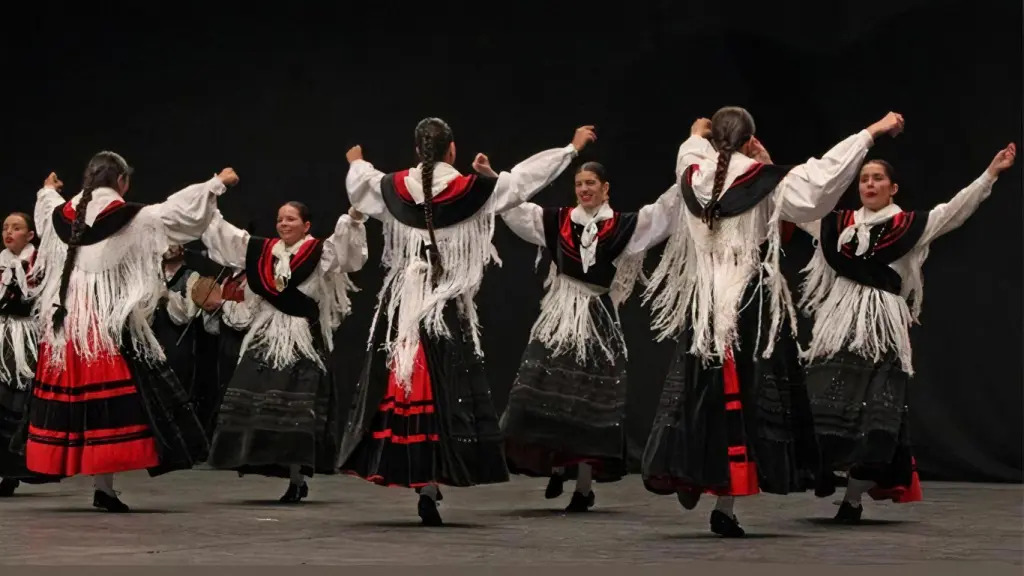
Galicia The most notable dance in Galicia is the muiñeira: The muiñeira is one of the most representative dances of Galicia from the 17th to the 18th centuries, although it became widely popular in the 19th century. Its origins are linked to mills (muíños), where people sang and danced while they waited, drawing inspiration from the rhythm of the water and the […]
Extremadura
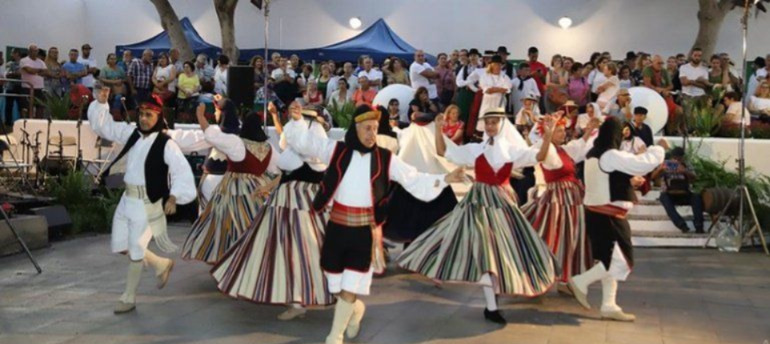
Extremadura The most notable dance in Extremadura is the El Candil dance: The El Candil dance is a tradition from Extremadura dating back to the 18th and 19th centuries, originating from the cultural blend between Spain and Portugal. It evolved from a Portuguese fado (fado batido) that became faster and more lively in the border region. Its name comes from the nighttime gatherings […]
Valencia
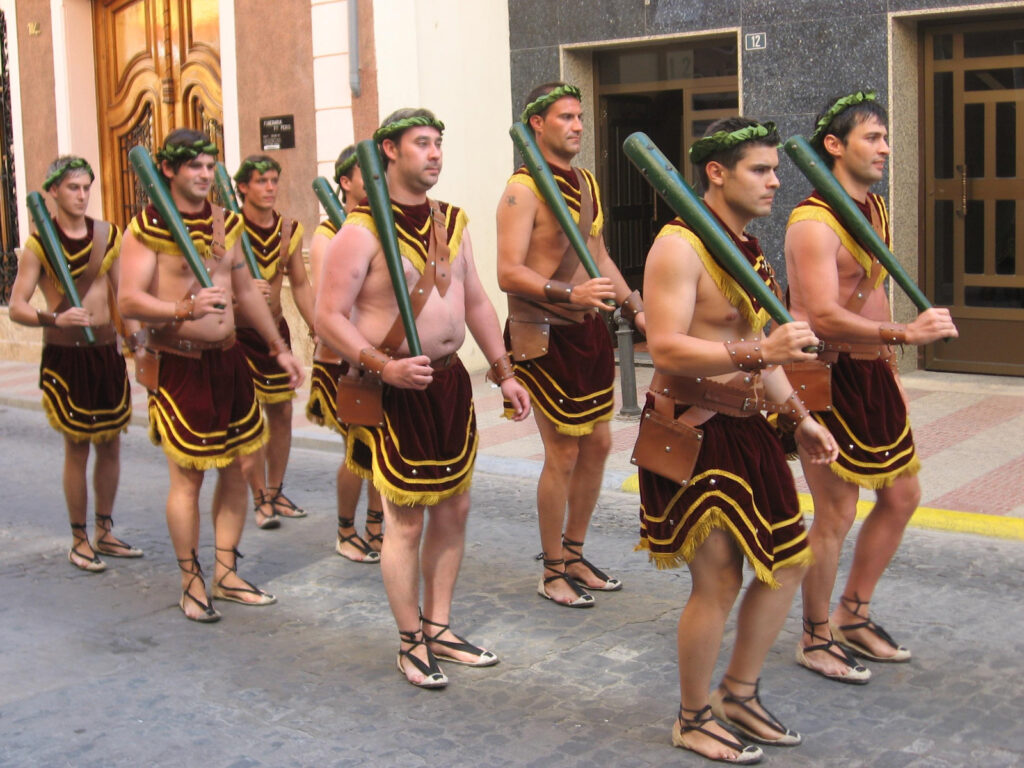
Valencia The most notable dance in the Valencian Community is La Danza dels Porrots: La Danza dels Porrots is a traditional dance from the Valencian Community dating back to the 18th century, originating in Silla. It has very ancient origins, possibly prehistoric or medieval, and is linked to combat rituals, symbolizing strength and collective identity. The music is simple and energetic, featuring instruments such […]
Catalonia
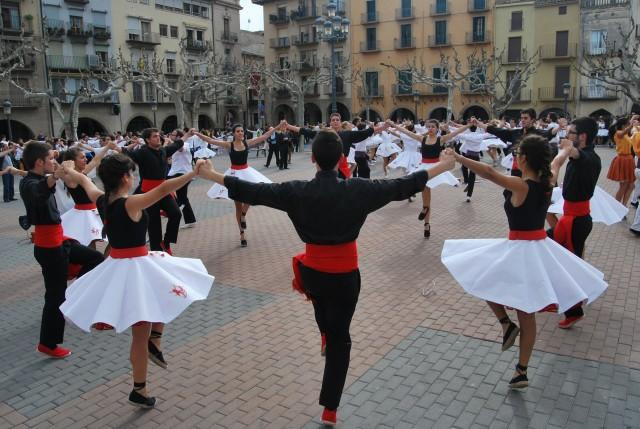
Catalonia The most famous dance in Catalonia is the Sardana: The Sardana is the traditional dance of Catalonia and a symbol of identity and unity. It originated in the 16th century, evolving from the contrapás, and became an act of cultural resistance during Franco’s dictatorship. It is danced in a circle, with participants holding hands and arms raised, […]
Castile and León
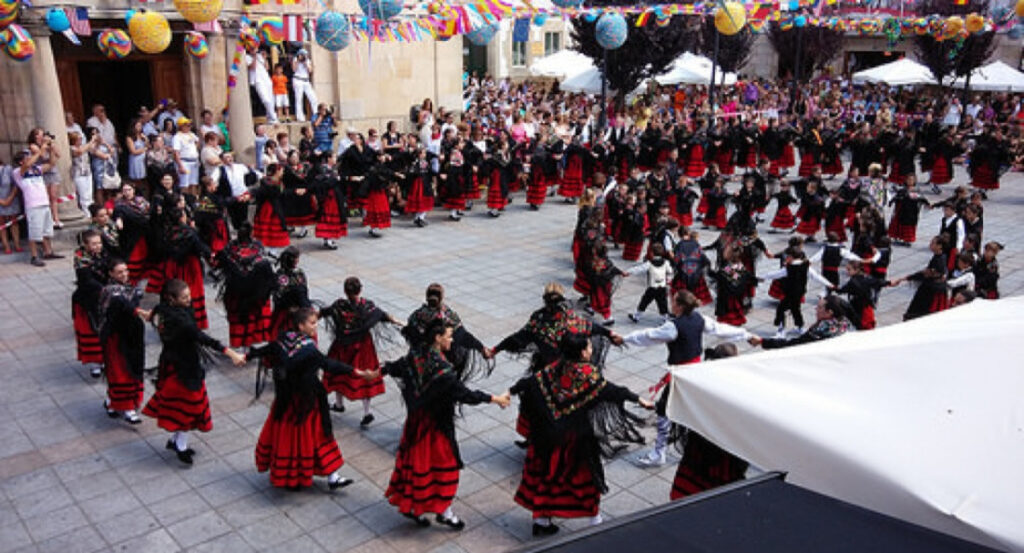
Castile and León The most notable dance in Castile and León is the Baile de Rueda: The Baile de Rueda is a traditional dance from Castile and León dating from the 19th to the early 20th century. It is a very old, community-oriented dance in which participants form a circle or double circle and dance together as a […]
Castilla-La Mancha
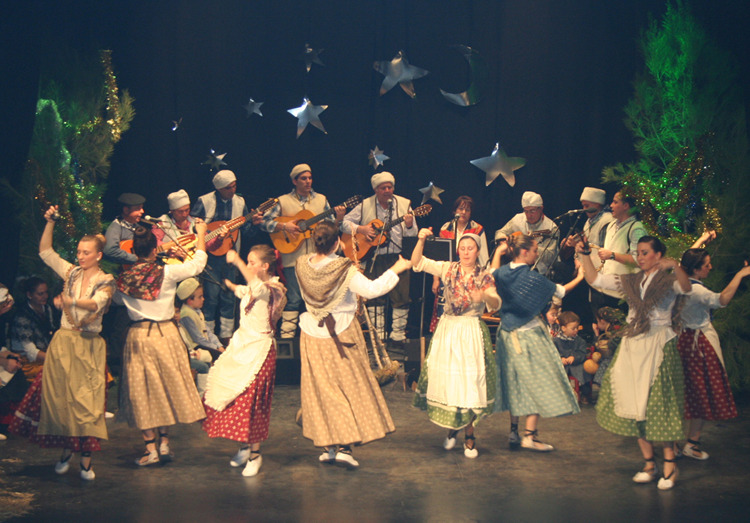
Castilla-La Mancha The most notable dance of Castilla-La Mancha is the Seguidilla Manchega: The Seguidilla Manchega is a traditional dance from the region of Castilla-La Mancha, dating back to the 15th century and with even older roots in Hispano-Mozarabic culture. It is one of the oldest couple dances in Spain and has a cheerful and festive character. Its music has a […]
Cantabria
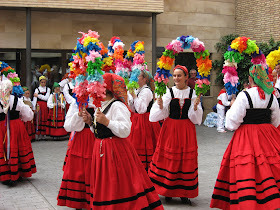
Cantabria The most notable dance in Cantabria is Los Picayos: Los Picayos is a traditional religious dance from Cantabria, Spain, with very ancient origins dating back to medieval folk art. It is performed in honor of saints or virgins as an expression of devotion and a form of community celebration. Its origins have been documented since at least the 16th century, and […]
Asturias
Asturias The most notable dance in Asturias is La Danza Prima: La Danza Prima is the most important traditional dance of 15th-century Asturias. It is very old and is danced in a group forming a circle, usually at local festivals, as a symbol of community unity. Its origin is uncertain, but it is believed to have Celtic or medieval roots […]
Aragon
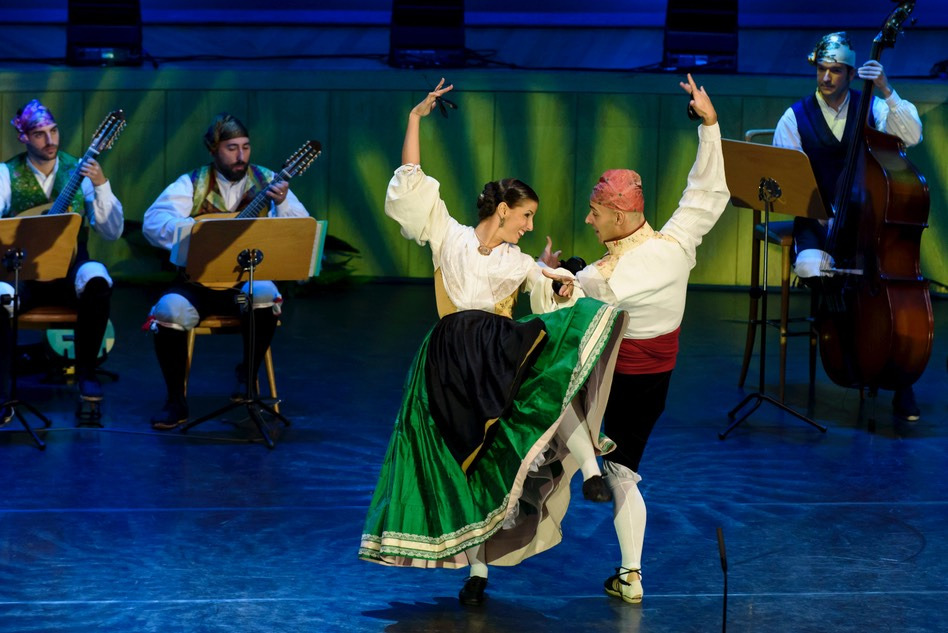
Aragon The most notable dance of Aragon is the Jota: The jota is a traditional Spanish dance and song that was particularly significant in regions such as Aragon during the 18th and 19th centuries. It is performed with instruments such as the bandurria, the lute, the guitar, the dulzaina, and the drum, as well as castanets. It is […]