Social, anthropological, and psychological studies differ in their definitions of folklore
Dr. Abdul Rahim Younis, in his book *“Folklore”*, defines it as the cultural fabric embedded in the people—that is, it consists of cultural elements created by the people or influenced by another group.
These elements are constantly evolving; they lie dormant, change, become established, and foster innovation.
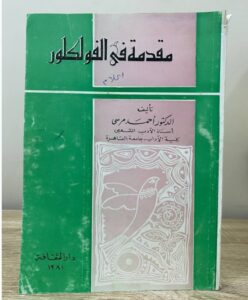
The integrated view of folklore is synonymous with “folklore,” which has come to encompass modern behavioral patterns and models that reflect popular origins; moreover, the material aspect of people’s lives has now become a fundamental component of folklore… Dr. Ahmed Morsi, in his book *Introduction to Folklore* Folklore is defined as a collection of forms of cultural expression shared by a specific group of people or a specific culture. This includes oral traditions such as tales, myths, proverbs, and others, as well as material culture such as traditional building styles common to the group. It is a product of popular consciousness that reflects identity and is transmitted through the group’s memory and , making it an expression of the tangible and intangible culture of a specific group.
According to these concepts, folk art can be defined as a human heritage that reflects the values and traditions of societies; it expresses the culture of the general public and is produced collectively, independent of the cultural or artistic elite. It relies on innate creativity linked to daily life and is characterized by the use of simple materials and tools available in the local environment.